St. Justin Martyr

INTEGRATED HUMANITIES PROGRAM

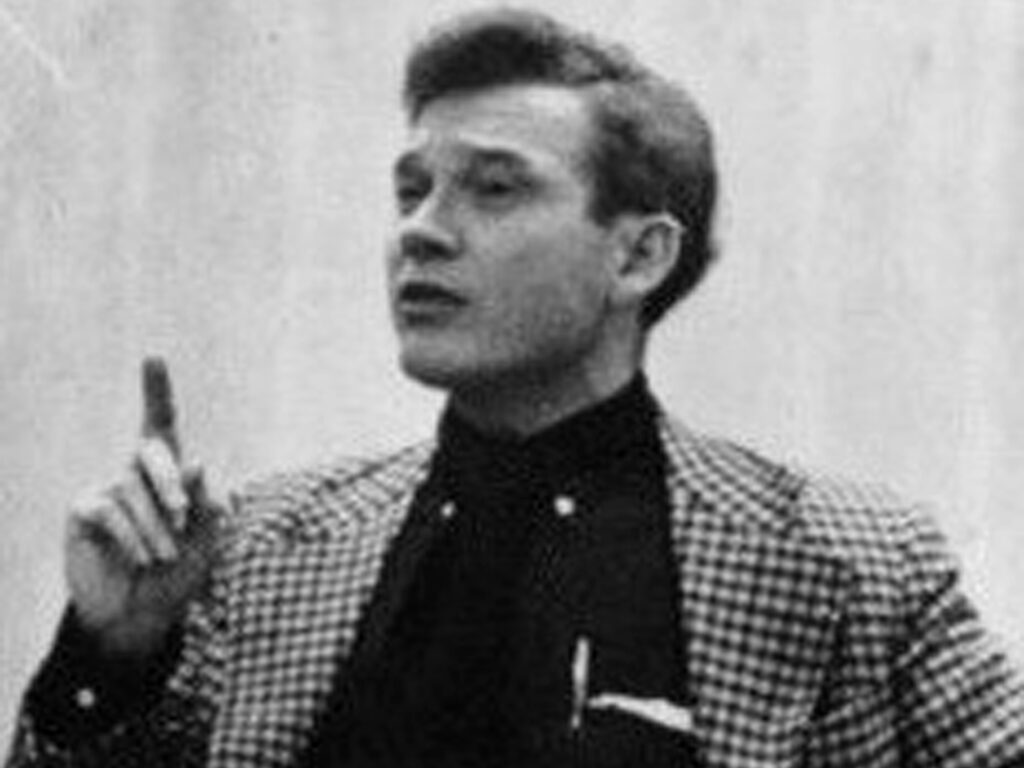
John Senior (1923-99)

Dennis Quinn (1928-2011)

English

These two Kansas University professors – initially together with a third colleague, Franklyn Nelick (1918-96) – were among a handful of American academics of the counter-cultural 60s who revolted against the debunking of classically and religiously rooted dimensions of our culture. They dared what they called an “experiment in tradition.” (More about this here.) The program they taught in the 1970s changed hundreds of lives, including my own. I dared to approach these two in the 1980s, after the program had been suppressed  – through “death by administration,” as Quinn put it – and see if we could rekindle the fire. They agreed to sit down and revisit their famous lectures, always together, without notes, but this time on tape. They were well recompensed for their work, but it was also clear that, despite their aversion to technology, they immensely enjoyed the opportunity to teach “at a distance.” The original tapes were intended for my students in Europe, so now distance in space is matched by distance in decades.

When these recordings were made, it had been over 15 years since my own participation in the original course. However, I found these later conversations especially engaging, with the two men more seasoned and sober than in the heyday of the program. Some of the tapes are now beyond repair, but a good number of them have been successfully digitized and (with help of my talented webmaster) enhanced in quality. Two introductory talks, followed by conversations on Homer, Plato, Herodotus, Caesar, Cicero, Lucretius, Virgil, the Bible, Chaucer, and Shakespeare, were retrievable in their integrity. For Aeschylus and Thucydides, only one tape for each was recovered.

Also provided is a link to Quinn’s only published book, a treasure chest on the topic of wonder and the fruit of decades of research. It gives us a sort of reference work on this leitmotif of the Integrated Humanities Program they taught. Also, a fellow colleague of the program, now a Benedictine monk, has published a remarkable study of Senior’s life and work, also referenced below.

Addendum

A celebrated manifesto of the Great Books concept of education was published in 1952. It was Robert Maynard Hutchins’s The Great Conversation. The penultimate chapter of the book (ch. 9) bore the title “East and West.” Here the author frankly acknowledged that as the 20th century entered its second half, growing understanding of the non-Western canon of great books would eventually require an adjustment, or at least an expansion of the list of our more familiar Western classics. One would need to include such works as the Bhagavad Gita, the Upanishads, the Dhammapada, the Analects of Confucius, and innumerable others. Hutchins explained the omission by referring to a great Hindu scholar: “If we are to believe such an eminent student of this matter as [Ananda K.] Coomaraswamy, the Western tradition contains within itself elements that permit bridging to the deepest elements of Eastern traditions. Presumably we can build these bridges best if we understand the nature of the ground where the bridge begins.”

Although he later admits that “the purposes that validate the publication of great books lead logically to Great Books of the World,” still, “at the moment we have all we can do to understand ourselves in order to be prepared for the forthcoming meetings between East and West…. The time for that will come when we have understood our own tradition well enough to understand another.” I quite agree with Hutchins. However, over 70 years have passed since that text was written and the intellectual and spiritual encounters between East and West have grown apace. The amount of solid scholarship on the matter is now far beyond what it was in middle of the last century. However, to my knowledge, only St. John’s College of Maryland (a pioneer in Great Books education since the 1930s) now offers an “Eastern Classics” graduate program at their Santa Fe, New Mexico, campus.

My own contact with John Senior began in 1972 as a young student, until – on one of my yearly visits to the States, in 1999 – I imparted my priestly blessing for the last time at his country home, just months before his death. My particular relationship with him has always stood against the backdrop of this very question of the contrast between West and East. When I was his student, some of the first books he ever lent me were by Coomaraswamy, and our correspondence over nearly 25 years is full of explorations of the issues involved.

Later on, after completing my education in philosophy and theology, Senior encouraged me to continue exploring that “bridge” of which Hutchins spoke. Just a couple of years before his passing, he began donating his books to the KU library. He phoned me – again, during one of my annual visits to Kansas – and asked if I could stop by so he could entrust me with four boxes of his old books. They were clearly from his personal library and all on Eastern thought, heavily underlined and annotated by Senior himself. Other volumes he was bequeathing to the university, but these books he preferred not to put into the hands of young students – perhaps a touch of paranoia, but I understood his concern (and was grateful to have the books!).

I add this only to remind us of the inevitable incompleteness of the full IHP reading list, let alone the far larger bulk of the Great Books edition or the comparable Harvard Classics. One also needs to beware of the attitudes of some few proponents of our great Western Tradition who tend to demonize all that lies beyond its pale. There is plenty of wickedness right here at home, and even in our own hearts. And, in the famous image of St. Augustine, there are still payloads of “Egyptian gold” to be welcomed into the treasury of our still growing canon of Great Books of the World.

I will allow myself to cross-reference these remarks to one of my own books. It is an anthology of the writings of a student of Thomas Aquinas who was able indeed to build a bridge to the East. (Another, by the way, would be Richard De Smet.) Under the “Writings” menu above, you will find a page dedicated to Bernard Kelly, with a link to my recent publication. I was sorry that Senior died before I was able to bring that book to print. I think it might have dotted some i’s and crossed some t’s in his own life story.

     *   *   *

I include here just a few of the educational resources available today (mostly online) which are more or less in harmony with the ideals of the IHP. The history of philosophy link is to a still ongoing podcast that includes non-Western sources – highly recommended! Other related topics can be accessed under the “Links” menu above.

Angelicum Academy (Great Books program)

Albertus Magnus Institute 

Catholic Productions (Scripture resources)

History of Philosophy Without Any Gaps

Institute of Catholic Culture

Lyceum Institute (philosophy)  *recommended!*


Note: The two introductory tapes below are from two different introductions, but as such are complementary. The first is the initial presentation of the program in the series made for my students in the late 1980s. The second is a similar presentation, but made before an audience of parents and prospective students; it began to circulate as a kind of advertisement for the program (sometime in the late 70s). At that time, the IHP was still functioning (though under duress). The audio quality of the latter was inferior to the rest of the tapes, but after some enhancement is still intelligible.

Português

Estes dois professores da Universidade do Kansas – inicialmente com um terceiro colega, Franklyn Nelick (1918-96) – estavam entre um pequeno grupo de acadêmicos americanos da contracultura dos anos 60 que se revoltaram contra o desmascaramento das dimensões clássicas e religiosas da nossa cultura. Ousaram o que chamaram de um “experimento na tradição”. (Mais sobre isso aqui.) O programa que ministraram na década de 1970 mudou centenas de vidas, incluindo a minha. Ousei abordar estes dois na década de 1980, depois de o programa ter sido suprimido – através da “morte por administração”, como disse Quinn – e ver se conseguíamos reacender a chama. Concordaram em sentar-se e revisitar as suas famosas palestras, sempre juntos, sem notas, mas desta vez gravadas. Foram bem remunerados pelo seu trabalho, mas também ficou claro que, apesar da sua aversão à tecnologia, apreciaram imenso a oportunidade de ensinar “à distância”. As fitas originais destinavam-se aos meus alunos na Europa, pelo que agora a distância no espaço é correspondida pela distância em décadas.

Quando estas gravações foram realizadas, já tinham passado mais de 15 anos desde a minha própria participação no curso original. No entanto, achei estas conversas posteriores especialmente envolventes, com os dois homens mais experientes e sóbrios do que no auge do programa. Algumas das cassetes estão agora irrecuperáveis, mas um bom número delas foi digitalizado com sucesso e (com a ajuda do meu talentoso webmaster) teve a sua qualidade melhorada. Duas conferências introdutórias, seguidas de conversas sobre Homero, Platão, Heródoto, César, Cícero, Lucrécio, Virgílio, a Bíblia, Chaucer e Shakespeare, puderam ser recuperadas na sua integridade. Para Ésquilo e Tucídides, apenas uma fita de cada foi recuperada.

É também fornecido um link para o único livro publicado de Quinn, um tesouro sobre o tema do “wonder” (a admiração filosófica) e fruto de décadas de investigação. Oferece-nos uma espécie de obra de referência sobre este tema central do Programa de Humanidades Integradas que ministravam. Além disso, um colega do programa, agora monge beneditino, publicou um estudo notável sobre a vida e obra de Senior, também referenciado abaixo.

Addendum

Um célebre manifesto do conceito de educação baseado nos Grandes Livros foi publicado em 1952. Tratava-se de A Grande Conversa, de Robert Maynard Hutchins. O penúltimo capítulo do livro (cap. 9) tinha como título “Oriente e Ocidente”. Nele, o autor reconhecia francamente que, à medida que o século XX entrava na sua segunda metade, a crescente compreensão do cânone não ocidental dos grandes livros exigiria eventualmente um ajuste, ou pelo menos uma expansão, da lista dos nossos clássicos ocidentais mais familiares. Seria necessário incluir obras como o Bagavadeguitá, os Upanixades, o Dhammapada, os Analectos de Confúcio e inúmeras outras. Hutchins explicou a omissão referindo-se a um grande estudioso hindu: “Se acreditarmos num estudioso tão eminente deste assunto como [Ananda K.] Coomaraswamy, a tradição ocidental contém em si elementos que permitem a ligação com os elementos mais profundos das tradições orientais. Presumivelmente, podemos construir melhor estas pontes se compreendermos a natureza do terreno onde a ponte começa”.

Embora admita mais tarde que “os propósitos que validam a publicação de grandes livros conduzem logicamente aos Grandes Livros do Mundo”, ainda assim, “neste momento, vamos ter mãos a medir para nos entendermos a nós mesmos a fim de estarmos preparados para os próximos encontros entre o Oriente e o Ocidente… O momento para isso chegará quando tivermos compreendido a nossa própria tradição suficientemente bem para compreender outra.” Concordo plenamente com Hutchins. No entanto, já passaram mais de 70 anos desde que este texto foi escrito e os encontros intelectuais e espirituais entre o Oriente e o Ocidente cresceram exponencialmente. A quantidade de conhecimento sólido sobre o assunto é agora muito maior do que era em meados do século passado. No entanto, tanto quanto sei, apenas o St. John’s College of Maryland (pioneiro no ensino de Grandes Livros desde a década de 1930) oferece atualmente um programa de pós-graduação em “Clássicos Orientais” no seu campus em Santa Fé, Novo México.

O meu próprio contato com John Senior começou em 1972, quando eu era um jovem estudante, até que – numa das minhas visitas anuais aos Estados Unidos, em 1999 – lhe concedi a minha bênção sacerdotal pela última vez na sua casa de campo, poucos meses antes da sua morte. A minha relação particular com ele teve sempre como pano de fundo esta mesma questão do contraste entre o Ocidente e o Oriente. Quando era seu aluno, alguns dos primeiros livros que me emprestou foram de Coomaraswamy, e a nossa correspondência ao longo de quase 25 anos está repleta de explorações das questões envolvidas.

Mais tarde, após ter concluído a minha formação em filosofia e teologia, Senior incentivou-me a continuar a explorar esta “ponte” de que falava Hutchins. Apenas alguns anos antes do seu falecimento, começou a doar os seus livros à biblioteca da universidade. Telefonou-me – novamente, durante uma das minhas visitas anuais ao Kansas – e perguntou-me se eu poderia passar por lá para que me confiasse quatro caixas dos seus livros antigos. Eram claramente da sua biblioteca pessoal e todos sobre o pensamento oriental, fortemente sublinhado e anotado pelo próprio Senior. Outros volumes foi legando à universidade, mas esses livros ele preferiu não colocar nas mãos de jovens estudantes – talvez um toque de paranoia, mas compreendi a sua preocupação (e fiquei grato pelos livros!).

Acrescento isto apenas para nos lembrar da inevitável incompletude da lista de leitura completa do IHP, para não falar do volume muito maior da edição dos Great Books da Universidade de Chicago ou dos volumes comparáveis dos Harvard Classics. É também necessário ter cuidado com as atitudes de alguns proponentes da nossa grande Tradição Ocidental que tendem a diabolizar tudo o que está para além dos seus limites. Há muita maldade aqui mesmo, em casa, e até nos nossos próprios corações. E, na famosa imagem de Santo Agostinho, há ainda tesouros de “ouro egípcio” a serem acolhidos no tesouro do nosso ainda crescente cânone de Grandes Livros do Mundo.

Permitir-me-ei fazer uma referência cruzada destas observações a um dos meus próprios livros. Trata-se de uma antologia dos escritos de um aluno de Tomás de Aquino que, de fato, conseguiu construir uma ponte para o Oriente. (Outro exemplo, aliás, seria Richard De Smet — ver a página “Filosofia Comparada”.) No menu “Escritos” ((Writings), vai também encontrar uma página dedicada a Bernard Kelly, com um link para a minha publicação de 2017. Lamento que o Senior tenha falecido antes de eu poder publicar este livro.

***

Nota: As duas fitas introdutórias abaixo são de duas apresentações diferentes, mas, como tal, são complementares. A primeira é a apresentação inicial do programa da série, feita aos meus alunos no final da década de 80. A segunda é uma apresentação semelhante, mas feita para uma plateia de pais e futuros alunos; começou a circular como uma espécie de propaganda do programa (algures no final da década de 1970). Nessa altura, o IHP ainda estava a funcionar (embora sob pressão). A qualidade de áudio desta última era inferior à das restantes cassetes, mas, após algum aperfeiçoamento, é ainda inteligível.

HOMER - THE ODYSSEY

HOMER - THE ILIAD

HERODOTUS

AESCHYLUS

THUCYDIDES

PLATO - THE REPUBLIC

LUCRETIUS

CICERO

CAESAR - THE GALLIC WARS

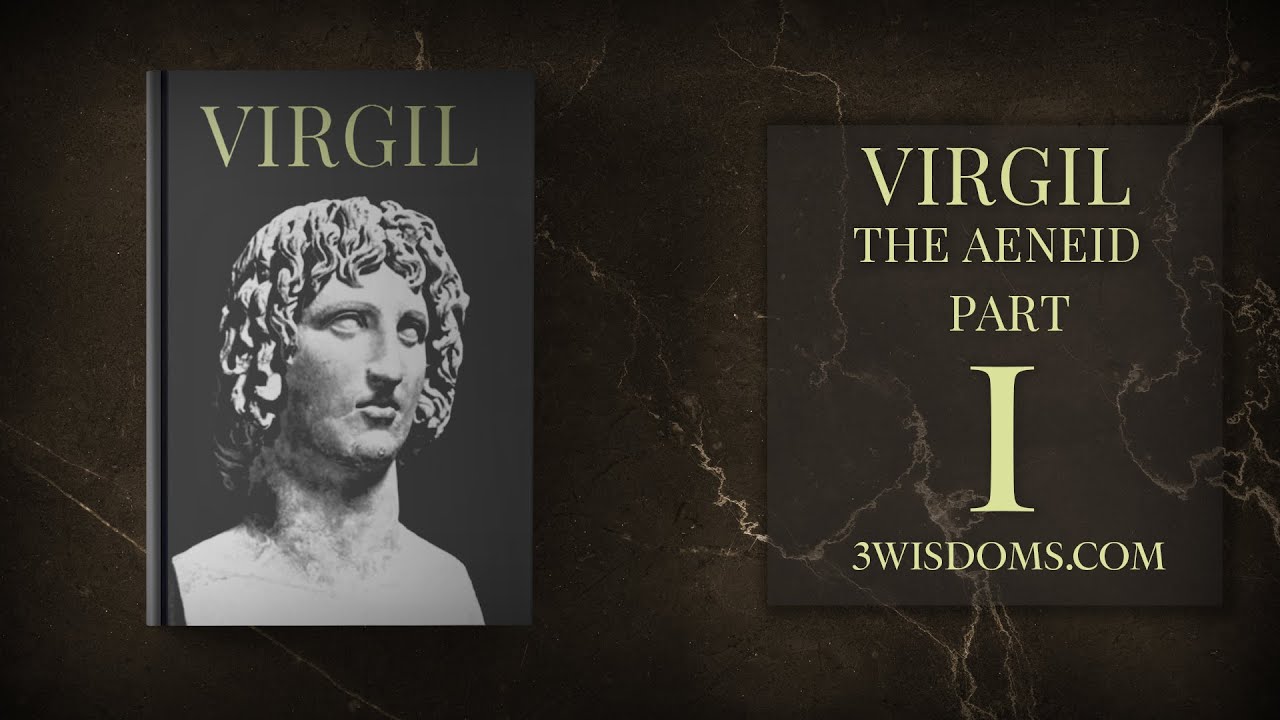
VIRGIL - THE AENEID

THE BIBLE

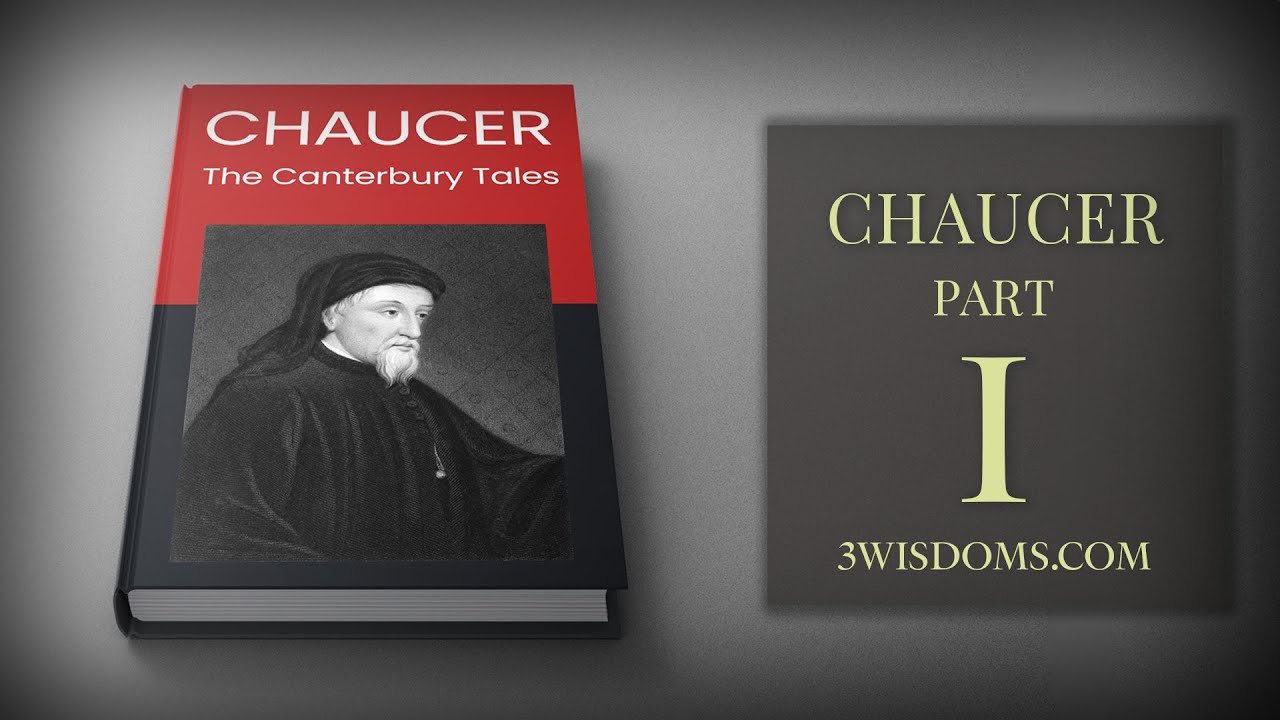
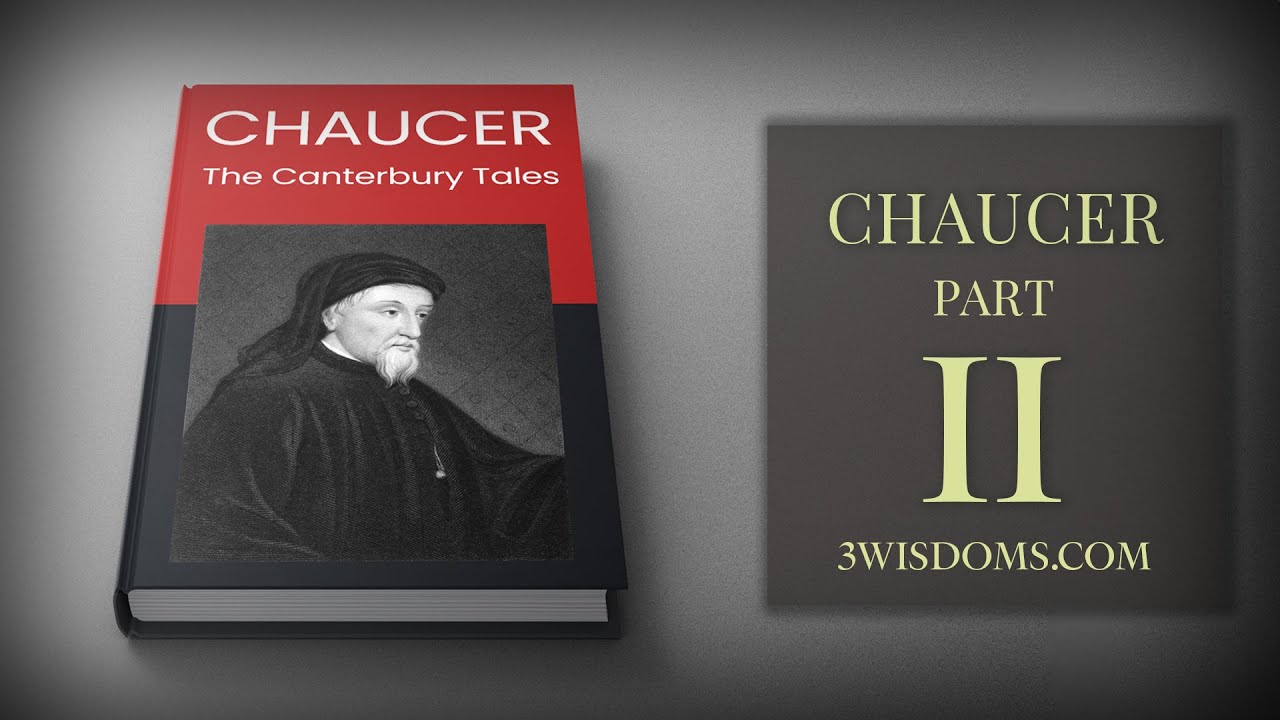
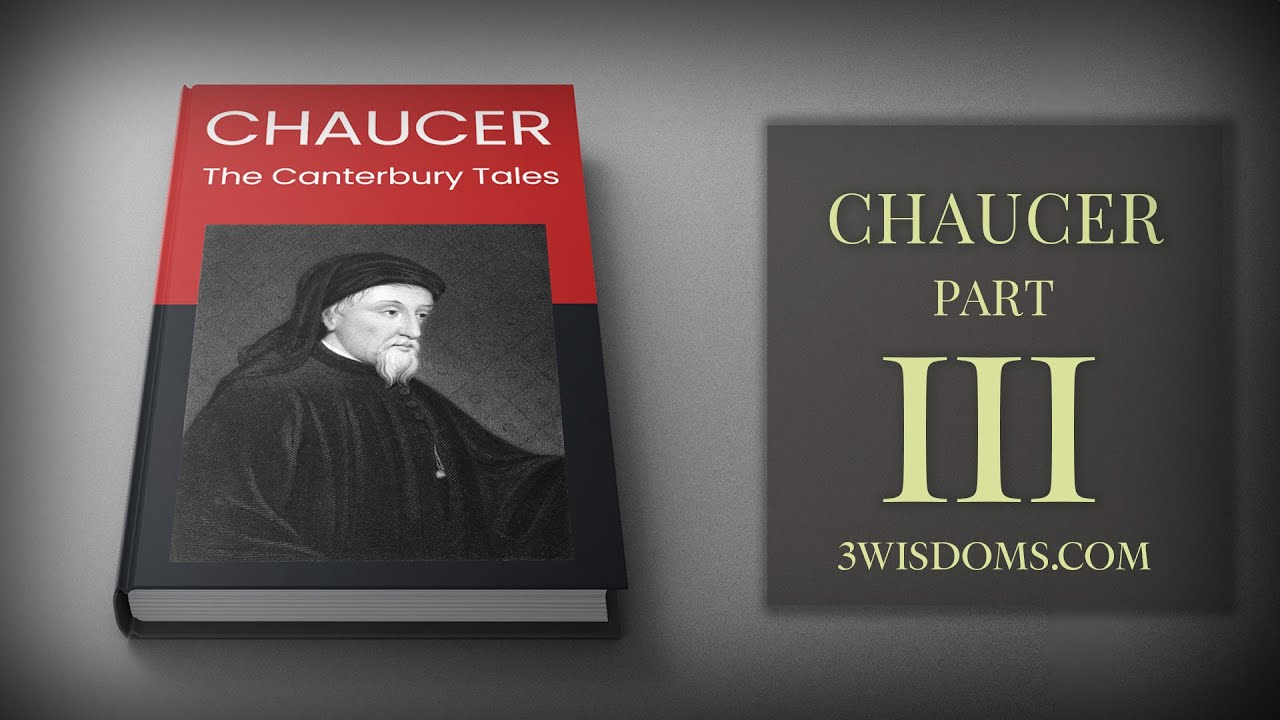
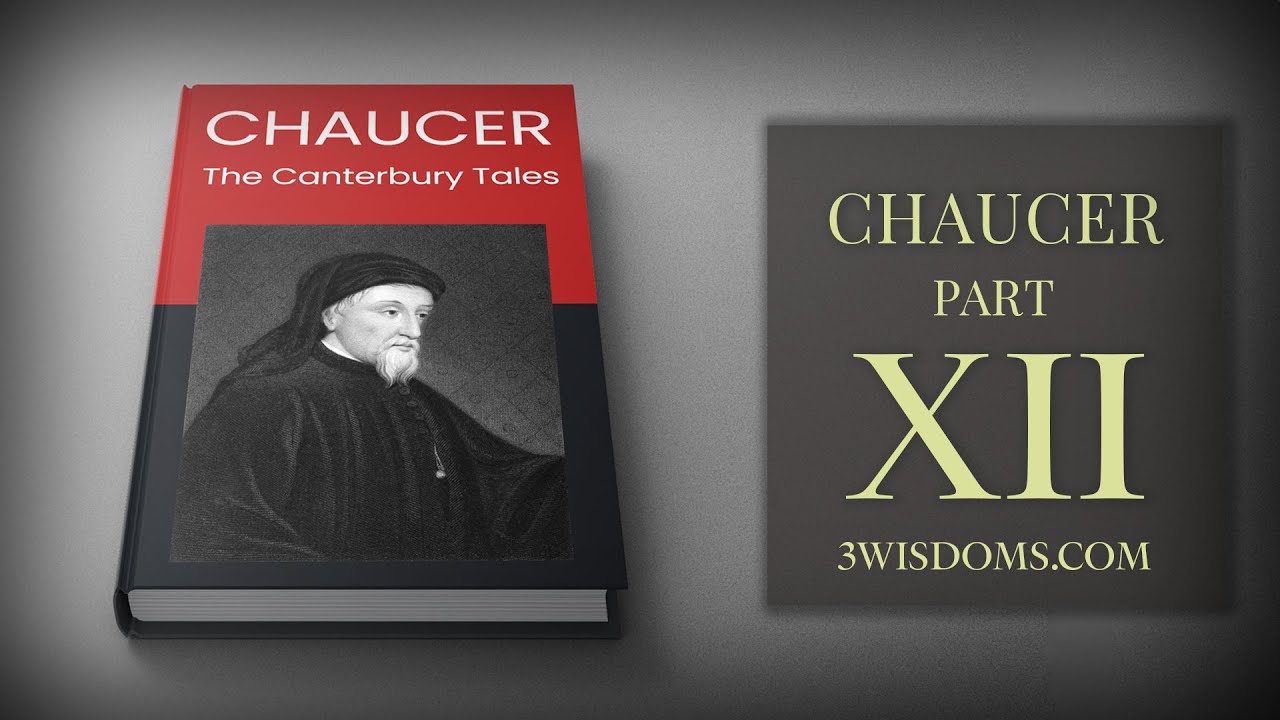
CHAUCER - THE CANTERBURY TALES

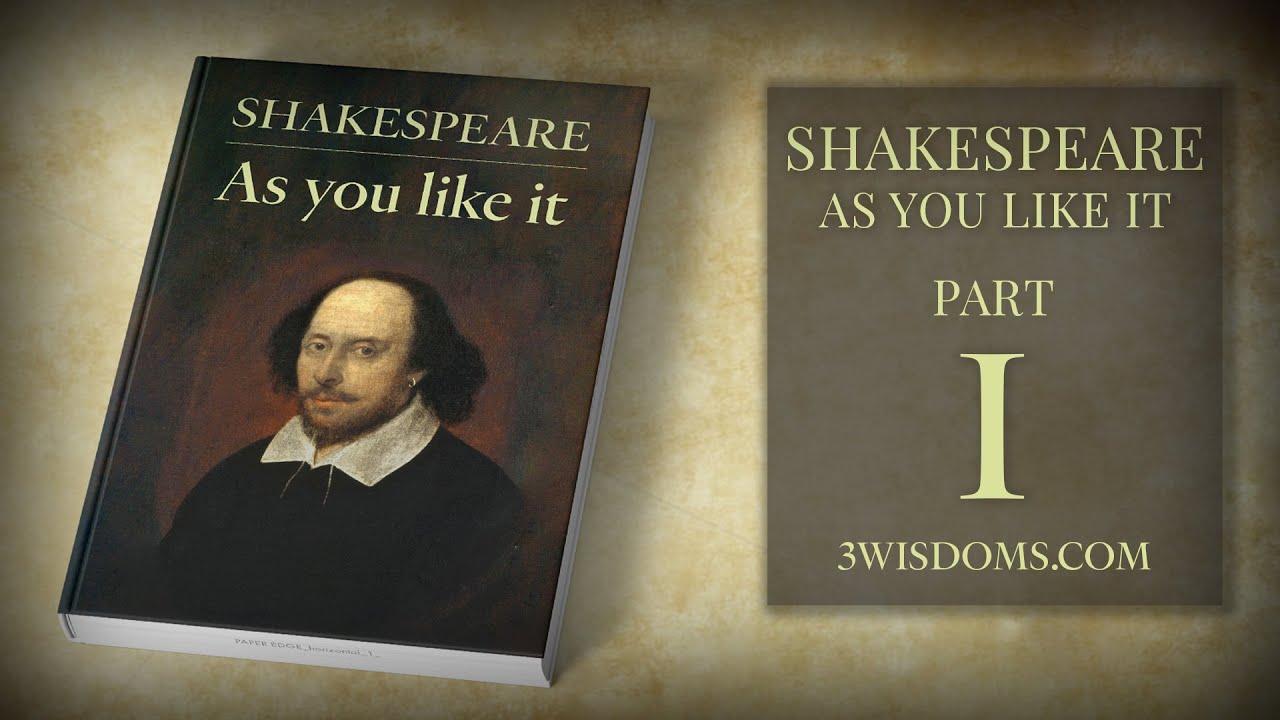
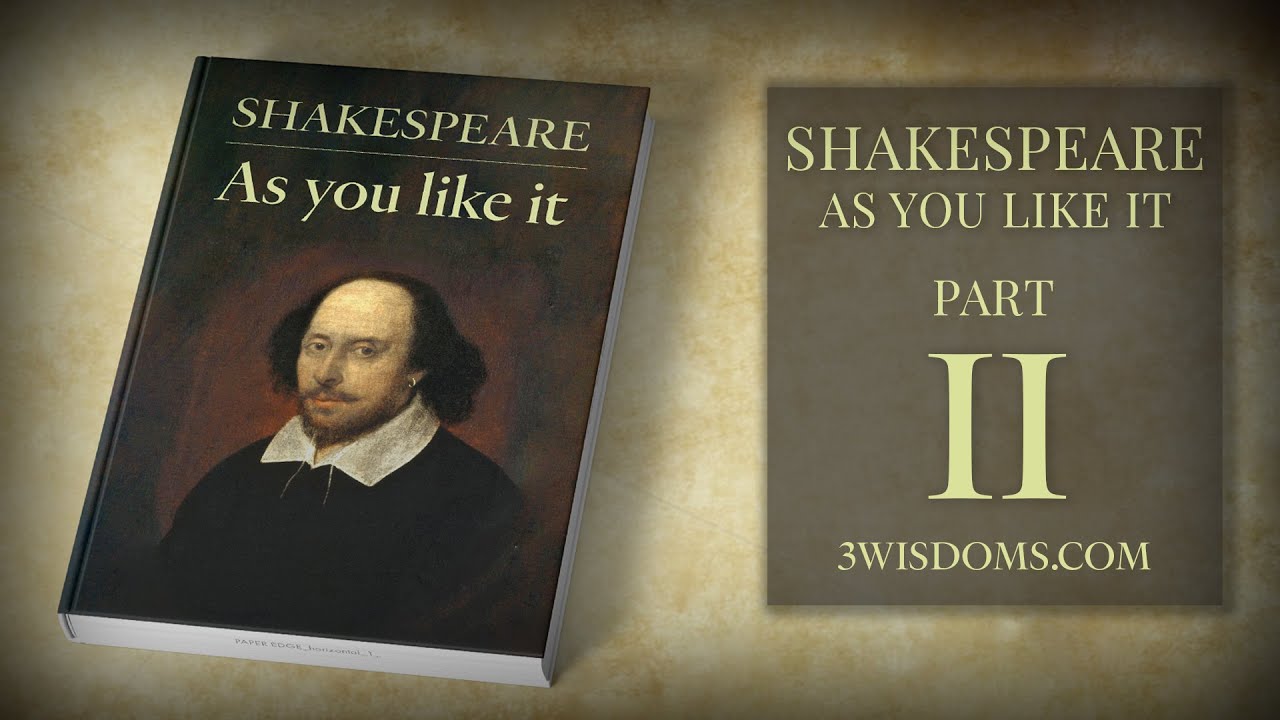
SHAKESPEARE - AS YOU LIKE IT

SHAKESPEARE - HAMLET